
Introduction: When Life Changes Without Warning
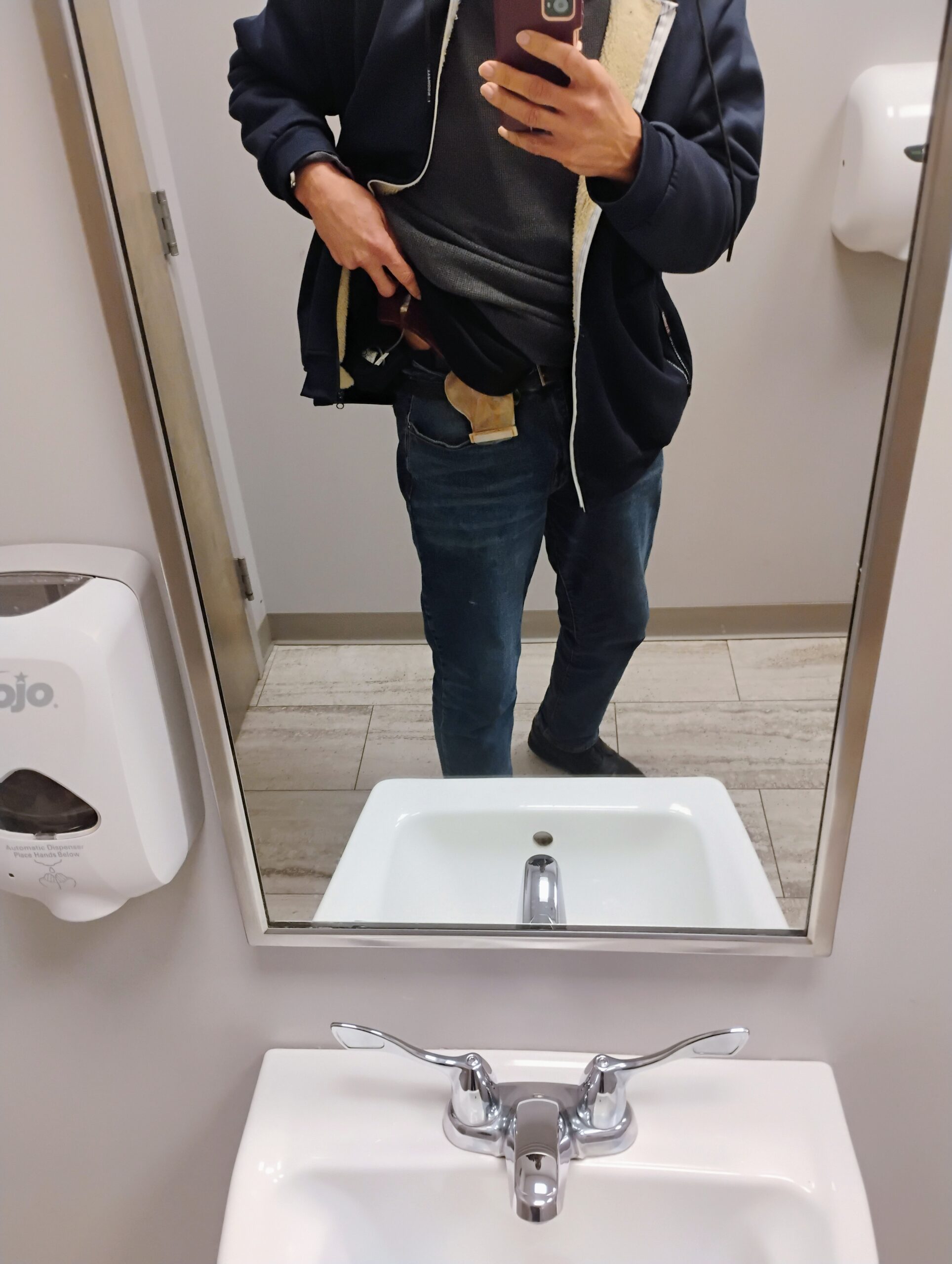
Living with a prolapsed stoma is something no one prepares you for. It’s uncomfortable, unpredictable, and often overwhelming. Some days feel manageable, and other days feel like everything is harder than it should be. This series is here to offer clarity, support, and a sense of steadiness. You’re not alone in this, and you don’t have to figure it out all at once. We’ll take this one step at a time.
Emotional care is a part of Daily Care. Living with a Prolapsed Stoma can bring moments of frustration, worry, or fatigue. This doesn’t mean you are doing anything wrong. Daily emotional care might look like:
- giving yourself permission to rest.
- celebrating small wins
- Connecting with small groups’
- reminding yourself that your body is adapting
Your emotional wellbeing is just as important as your physical routine. I, myself, joined a support group in my area. You might be surprised. There are more people that have had this surgery than you might realize. You might not realize because we all normally try to hide our condition from the general public.
Here are two national resources. I highly recommend finding your local support group. My support group is run by two Certified Wound Ostomy, and Continence Nurse.
Having a Prolapsed Stoma is not the end of the world. Just do your best, and the time will pass. And hopefully, you can get your Colostomy Reversal surgery. Just pay attention to your surgeon, join a support group, and keep a positive mental attitude.
Disclaimer I am not a doctor, nurse, or medical professional. This article is for informational and educational purposes only and is not intended to replace medical advice, diagnosis, or treatment. Every person’s situation is unique, and stoma care can vary widely. Always consult with your physician, surgeon, or a certified Wound, Ostomy, and Continence (WOC) nurse for guidance specific to your condition.
You are not alone. Living with a prolapsed stoma can feel overwhelming at times, but there are people, communities, and resources ready to support you. I encourage you to identify your local ostomy support group and attend meetings when you can — connection makes a real difference.
These communities exist to help you feel supported, informed, and understood.
The Pheonix Ostomy Magazine. We are a 501(c)(3) nonprofit organization dedicated to improving the quality of life for anyone who has or will have intestinal or urinary diversion surgery. Our goal is to support new and seasoned ostomates in leading a happy, active life. Membership is open to ostomates, their families and friends, and the medical community.
The United Ostomy Associations of America (UOAA). United Ostomy Associations of America, Inc. (UOAA) is a 501(c)(3) nonprofit organization that supports, empowers, and advocates for people who have had or who will have ostomy or continent diversion surgery. Our mission is to promote quality of life for people with ostomies and continent diversions through information, support, advocacy, and collaboration.
I wish you all much happiness and success.
— John Lewis

Service and philanthropy
