
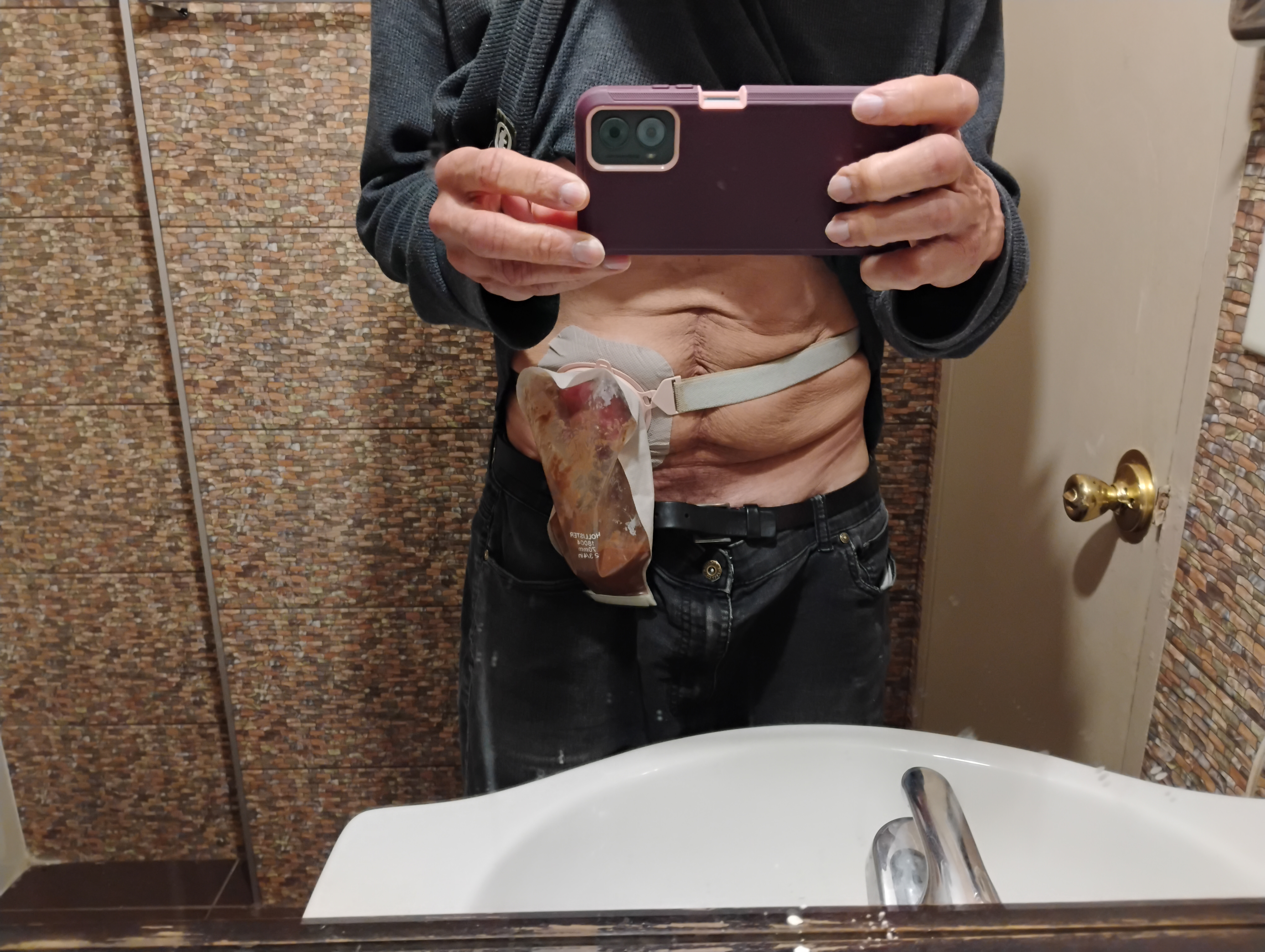
A prolapsed stoma can be unsettling, especially when changes appear suddenly or look dramatic. Understanding the symptoms helps you stay calm, respond appropriately, and know when it’s time to seek medical care. A prolapse occurs when a section of the bowel slides outward through the stoma opening, causing the stoma to extend further than usual. While this can look alarming, many symptoms are manageable with proper guidance and support.
This article outlines the most common symptoms of a prolapsed stoma, what they mean, and how to recognize when the situation requires urgent medical attention.
⭐ Common Symptoms of a Prolapsed Stoma
1. Increased Length or Extension
One of the most noticeable symptoms is a stoma that appears significantly longer than usual. The bowel may extend outward several inches, especially during activity, coughing, or straining. This lengthening can come and go or remain persistent.
2. Increased Width or Swelling
A prolapsed stoma often becomes wider or more swollen. The tissue may look thicker, heavier, or more pronounced. Swelling can vary throughout the day and may increase with standing or movement.
3. Color Changes
A healthy stoma should remain pink, red, and moist. With a prolapse, you may notice:
- deeper redness
- mild irritation
- slight bleeding from delicate tissue
These changes are common and not always dangerous — but they should be monitored.
4. Difficulty Pouching or Leakage
Because the stoma is longer or wider, your pouching system may not fit as securely. You may experience:
- more frequent leaks
- difficulty getting a proper seal
- increased skin irritation around the stoma
These symptoms often indicate the need for adjustments or support from a WOC nurse.
5. Heaviness or Pulling Sensation
Some people describe a feeling of heaviness or dragging at the stoma site. This sensation comes from the weight of the prolapsed bowel and may increase with standing or walking.
⭐ Symptoms That Require Immediate Medical Attention
A prolapsed stoma becomes an emergency when blood flow is compromised. Seek urgent care right away if you notice:
- The stoma turns purple, dark red, or black
- The stoma feels cool or cold to the touch
- No output combined with abdominal pain
- Severe swelling that does not reduce when lying down
These symptoms may indicate strangulation or obstruction — conditions that require immediate medical evaluation.
Never hesitate to seek help. Trust your instincts.
⭐ Support Resources: Phoenix Magazine & UOAA
Living with a prolapsed stoma is easier when you’re connected to reliable information and supportive communities. Two of the strongest resources available are:
Phoenix Magazine A nationally recognized publication dedicated to ostomy education, real-life stories, product guidance, and emotional support. https://www.phoenixuoaa.org
United Ostomy Associations of America (UOAA) The leading national organization offering support groups, educational materials, advocacy, and community connection for people living with ostomies. https://www.ostomy.org
I strongly recommend exploring both. Support is not optional — it’s one of the most important tools you have.
There are also local resources. Most communities have support groups that individuals can discuss their experiences in a group setting. I go to a support group. I live on Long Island, in New York. The group is run by two certified Wound, Ostomy, and Continence Nurses. I am grateful to the Nurses, and to the group. I have actually become friendly with some of the other attendees.
⭐ Disclaimer (Place this in the same location for every article)
This series is not medical advice. Always consult a WOC (Wound, Ostomy, and Continence) nurse or physician for personalized care, especially if you notice sudden changes, severe pain, or signs of reduced blood flow.
Good luck to you all.
John Lewis
